The Role of Cloud LIMS in Multi-Center Diagnostic Labs
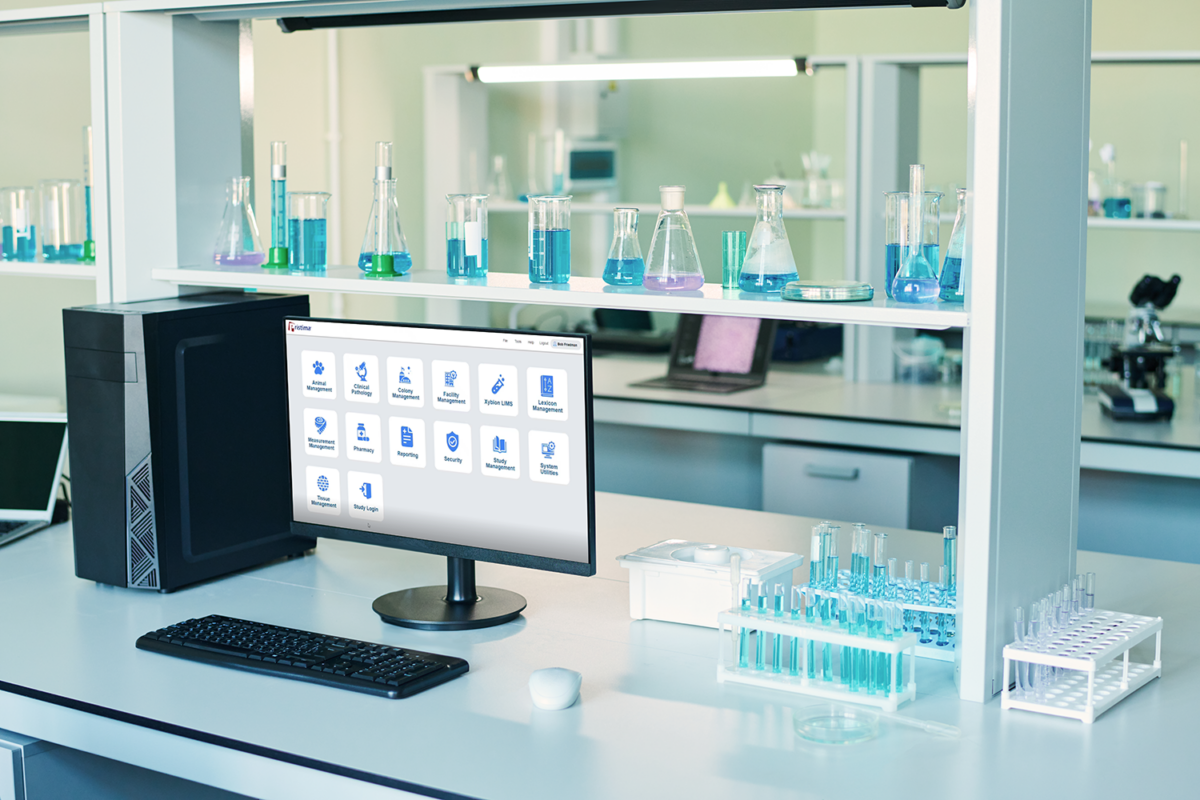
Why Cloud LIMS Is Becoming Essential for Modern Lab Networks
Multi-center diagnostic labs require seamless communication across branches, real-time access to reports, and a secure system to store and manage large volumes of data. Cloud-based Laboratory Information Management Systems (LIMS) offer a scalable, flexible, and cost-effective solution to these needs. By centralizing patient data and providing remote access from any location, cloud LIMS ensures that multi-branch labs can operate with maximum efficiency and minimal downtime.
1. Real-Time Data Access Across All Branches
Cloud LIMS enables lab technicians, pathologists, and administrators to access patient data and reports instantly from different locations, improving communication and reducing delays.
How It Helps: Whether a patient gives a sample at a satellite branch or main lab, the data is immediately available across the network, ensuring quick processing and faster report delivery.
2. Centralized Data Management for Improved Accuracy
By storing all patient, test, and workflow data in a centralized cloud server, labs eliminate fragmentation and reduce the risk of data mismatches across branches.
Why It Matters: Unified data ensures that every branch follows the same standards, improving accuracy, maintaining compliance, and enhancing the overall patient experience.
3. Cost-Efficient Scalability
Traditional on-premise software requires expensive hardware and maintenance. Cloud LIMS removes these costs and allows labs to scale as needed without heavy investments.
How It Works: When a lab adds a new branch, integration becomes effortless since cloud systems expand on-demand, supporting additional users, tests, and workflows.
4. Enhanced Data Security and Compliance
Cloud LIMS platforms include advanced encryption, automated backups, and compliance with healthcare standards to protect sensitive patient information.
Security Advantage: Even in case of system failures, data remains accessible and safe due to redundant cloud storage, reducing downtime and ensuring business continuity.
5. Improved Collaboration Within Lab Teams
Pathologists, technicians, and admins can collaborate smoothly with access to shared dashboards, real-time updates, and automated notifications.
Why It’s Important: Enhanced collaboration improves workflow efficiency, reduces errors, and ensures consistent performance across all branches.
Conclusion
Cloud LIMS has become a transformational tool for multi-center diagnostic labs, enabling standardized operations, better resource utilization, and improved patient service. As diagnostic networks continue to expand, cloud LIMS solutions will play an increasingly critical role in ensuring accuracy, speed, and scalability across all branches.